Most travel guides tell you to avoid Rishikesh during monsoon. Most travel guides are wrong. Here’s the honest picture.
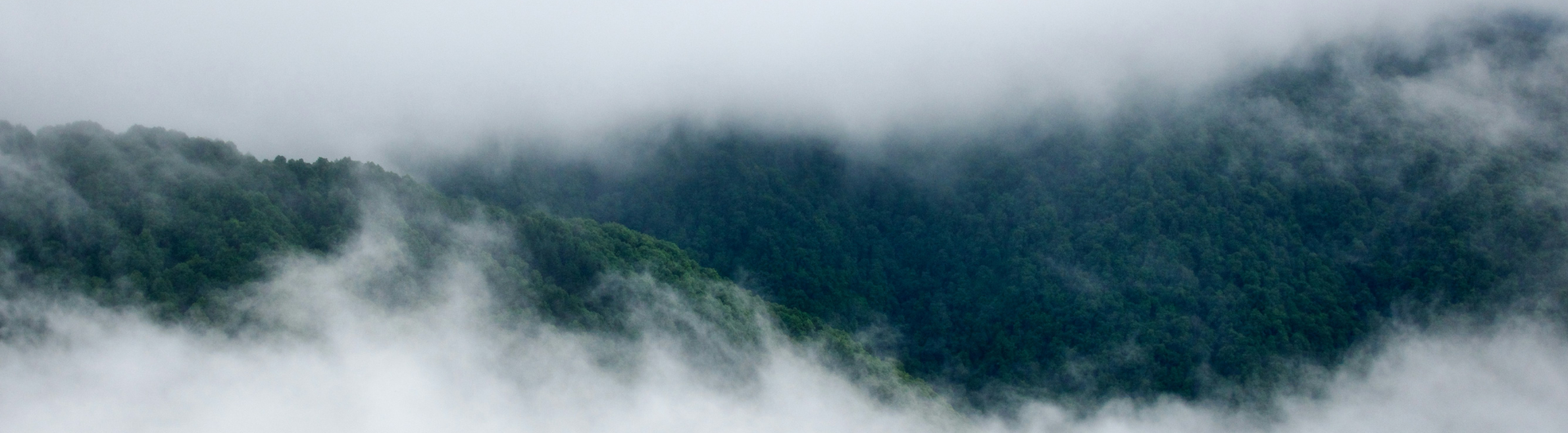
July hits and suddenly Rishikesh empties out. The backpackers leave, the hotel prices drop, and the hills turn a shade of green so vivid it almost looks fake. The Ganga gets loud and muscular. Waterfalls appear from nowhere. The air smells of wet earth and temple incense. And you can walk across Ram Jhula without bumping into anyone.
Monsoon Rishikesh is a completely different experience from peak season Rishikesh. Not better, not worse. Just different. And for the right kind of traveler, it’s genuinely magical.
That said, you do need to know what you’re getting into. Some activities close. Roads get tricky. The river can be dangerous. This guide gives you the full picture so you can plan properly and actually enjoy it.
First: What Monsoon in Rishikesh Actually Looks Like
Monsoon typically arrives in Rishikesh around late June or early July and stays through September. July and August see the heaviest rainfall. September starts to ease off.
What this means practically:
Rain usually comes in bursts rather than all day. Mornings are often clear and beautiful. Afternoons bring clouds and showers. By evening it can clear again. So a monsoon trip is not about sitting in your room watching it rain through the window. It’s about timing your day well.
Temperatures stay comfortable throughout, usually 20 to 28 degrees Celsius. After years of intense summer heat before it, the coolness of monsoon is genuinely refreshing.
One honest heads up: flash floods and landslides do happen in Uttarakhand during heavy monsoon years. Always check road conditions before heading to remote spots, keep an eye on local news, and follow instructions from local operators. This is not meant to scare you off but to make sure you’re prepared.
What to Do in Rishikesh During Monsoon
1. Waterfall Chasing
This is the main reason to visit Rishikesh in monsoon. Waterfalls that barely exist in other seasons come fully alive. The difference is dramatic.
Neer Garh Waterfall is the most accessible one. A short 1.5 km trek from the main road takes you through forest paths to a multi-tiered waterfall that genuinely impresses in monsoon. Local vendors set up chai and snack stalls on the way. Go in the morning when the light is best and the paths are less muddy.
Patna Waterfall is quieter and less visited. If you want to escape the few tourists who do visit in monsoon, this is a good option. The trek is slightly longer but the payoff is a more peaceful experience.
Garud Chatti Waterfall is another good option, about 5 km from Laxman Jhula. The surrounding forest gets beautifully dense in monsoon. Combined with a walk along the river path, it makes for a great half-day.
Practical tip: Wear proper footwear with grip, not sandals or flip flops. Trails get slippery. Start early. Carry a light rain jacket.
2. Yoga and Wellness Retreats
Honestly, monsoon might be the best time for a yoga retreat in Rishikesh. Here is why.
The ashrams and yoga schools are quieter. You get more personal attention from teachers. Prices are lower across the board. The sound of rain during a morning meditation session is something you do not forget.
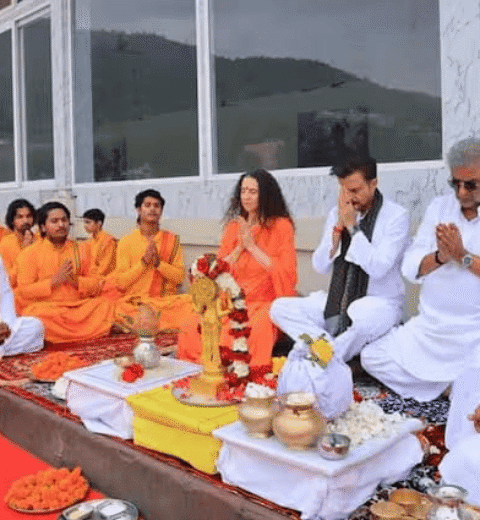
Parmarth Niketan runs programs year-round and the evening Ganga Aarti on their ghats during monsoon, with mist rising off the river and lamps reflected in the dark water, is one of the most atmospheric things you can experience in Rishikesh.
Most wellness centers offering Ayurvedic treatments are fully open during monsoon. Many practitioners actually consider monsoon the ideal season for Ayurvedic therapies because the body is more receptive. If you are considering a proper Ayurvedic treatment, this is genuinely good timing.
Check the Wellness Centers listings on Rishikesh Nomads for options across different budgets and styles.
3. Temple Visits and Spiritual Sightseeing
Monsoon Rishikesh has a spiritual quality that is hard to describe but easy to feel. The ghats, the temples, the ashrams, all of them take on a different energy when the hills are green and the river is full and the air is cool and damp.
Triveni Ghat in the early morning during monsoon is very special. The usual tourist crowds are gone. Local rituals continue regardless of the rain. If you want to see Rishikesh as a living spiritual place rather than a tourist destination, monsoon morning at the ghats is the time.
Neelkanth Mahadev Temple, about 32 km from Rishikesh, is particularly atmospheric during monsoon with the surrounding forest in full bloom. Check road conditions before going as the route can get tricky after heavy rain.
Ram Jhula and Laxman Jhula area remain fully accessible and are genuinely enjoyable to walk around when it is not peak season. The chai shops and small temples along the way feel more local and less commercial.
4. Forest Walks and Nature Trails
The forests around Rishikesh transform completely in monsoon. Rajaji National Park, which borders Rishikesh, becomes incredibly lush and wildlife activity increases.
A guided walk through the forest edges near Shivpuri or Neelkanth road gives you a completely different perspective on the area. Bird activity is high during monsoon. The air quality is exceptional after rainfall. The sounds of the forest combined with distant river are genuinely restorative.
Check with local guides before heading into deeper trails as some paths become impassable after heavy rain.
5. Bungee Jumping and Aerial Activities
Jumpin Heights at Mohanchatti stays open during monsoon, weather permitting. The bungee jump with misty green valley below and rain-cooled air is a genuinely different experience from doing it in dry season. Many people who have done it both ways say monsoon bungee feels more cinematic.
The flying fox zipline similarly stays operational in moderate conditions.
The key phrase is weather permitting. On days with heavy continuous rain or thunderstorms, operators will and should close. This is not something to negotiate on. Book and be prepared for the possibility of rescheduling.
Prices at Jumpin Heights: Bungee jumping from Rs 3,700, Flying Fox from Rs 1,800.
Check Adventure Activities for a full list of operators.
6. Riverside Camping
Camping during monsoon sounds counterintuitive until you actually do it. Waking up to mist hanging over the river. Rain on the tent at night. A bonfire in the gap between showers. Mountains that look completely different when wrapped in cloud.
Good campsites near Shivpuri and Kaudiyala offer proper waterproof tent setups for monsoon. The key is choosing a site that is not flood-prone and has experience handling monsoon conditions.
Always ask the operator directly whether their site has had flooding issues and what their monsoon protocol is. Reputable camps will have clear answers. If they are vague, look elsewhere.
Prices range from Rs 1,200 to Rs 3,500 per person per night including meals. Weekday rates are noticeably cheaper.
7. Cafe Hopping and Local Food
Monsoon and chai go together everywhere in India, but in Rishikesh it hits differently. Sitting at a riverside cafe with rain hitting the river outside, a hot cup of masala chai or ginger lemon honey tea, a plate of fresh pakoras, and genuinely nothing urgent to do is one of the most pleasant experiences this town offers.
The cafe scene stays fully operational in monsoon. Little Buddha Cafe, Freedom Cafe, and the Tapovan cafes all remain open. Crowds are minimal so you can actually get the river-view balcony seat that is impossible to grab in peak season.
Street food near Triveni Ghat is also worth exploring. Hot jalebis, aloo puri, samosas fresh from the oil. Monsoon is the season when you eat them without feeling guilty because you are clearly not going to the beach anytime soon.
Browse the full Food and Cafe listings for options across Tapovan, Laxman Jhula, and central Rishikesh.
8. The Ganga Aarti at Parmarth Niketan
Worth mentioning separately because the monsoon version of this experience is so different from peak season.
The evening aarti happens every day regardless of weather. In monsoon, with the river high and dark, lamps floating downstream, mist rising from the water, and the chanting echoing across the ghats with far fewer onlookers than usual, it becomes something closer to what a spiritual experience is supposed to feel like. Less performance, more presence.
Arrive 20 minutes early for a good spot. No entrance fee.
What to Skip or Be Careful About in Monsoon
River rafting: Most routes are closed July through August due to dangerous water levels. The Brahmapuri short route sometimes operates in moderate conditions but always check before planning around it. Do not try to push operators on this. High water rafting is genuinely life-threatening.
Long distance trekking: Trails to higher altitude points like Kunjapuri can be treacherous after rain. Only go with an experienced local guide and only when conditions are confirmed clear.
Remote mountain drives: The road to Neelkanth Mahadev and other hill routes can see landslides during heavy rain. Always check conditions that morning before setting out.
Budget accommodations near the riverbank: A small number of very cheap guesthouses sit closer to the river than is safe during high monsoon. Book with established properties that have a track record.
Why Monsoon Is Actually Great for Budget Travelers
This is the practical reality that most guides skip over.
Hotel prices in Rishikesh drop by 30 to 50 percent during monsoon. Yoga retreat prices follow. Even Jumpin Heights and other adventure operators sometimes run monsoon discounts.
The best cafes have empty tables. Trails have no queues. Ghats have space to breathe. Ashrams have availability. If you have flexibility on timing and are not specifically there for rafting, monsoon is genuinely the best value season in Rishikesh.
Practical Tips Before You Go
What to pack:
A compact rain jacket or poncho is essential. Light quick-dry clothes work better than cotton in high humidity. Waterproof sandals or hiking shoes with grip for trails. A dry bag or waterproof case for your phone and valuables.
Getting around:
Roads in Rishikesh town are generally fine during monsoon. The concern is hill routes. Renting a scooter is fine for town and riverside areas. For hill routes, either hire a driver who knows the roads or go with a group and a local guide. Check Motor Rentals for scooter hire options.
Staying connected:
Mobile data is generally reliable in town. In forested areas and on hill routes it can get patchy. Download offline maps before heading out.
Best months within monsoon:
September is the sweet spot. Rainfall eases, prices are still off-peak, the landscape is at its most lush, and most activities are operational. If you can choose, September over July or August.
FAQs
Is Rishikesh worth visiting during monsoon?
Yes, for the right traveler. If you are going for yoga, spirituality, nature, waterfalls, or just a quieter experience at lower prices, monsoon is genuinely good. If your main goal is rafting or high altitude trekking, wait for October.
Is river rafting available in monsoon?
Most routes are closed July through mid-September due to high and dangerous water levels. Some short routes may operate in moderate conditions. Always confirm directly with operators before planning around it.
Is Rishikesh safe during monsoon?
Generally yes, with common sense precautions. Stay updated on weather forecasts, avoid river banks during heavy rain, and check road conditions before heading to hill routes. The town itself remains safe and accessible throughout.
Which waterfalls are best to visit during monsoon in Rishikesh?
Neer Garh Waterfall is the most popular and accessible. Patna Waterfall for a quieter experience. Garud Chatti for a nice forest walk combined with the waterfall. Go in the morning and wear proper footwear.
Is it cheaper to visit Rishikesh during monsoon?
Noticeably so. Hotels, yoga retreats, and some activity operators all drop their rates by 30 to 50 percent compared to peak season. It is the best value time to visit if your itinerary is flexible.
What should I pack for a monsoon trip to Rishikesh?
A compact rain jacket, quick-dry clothes, waterproof footwear with grip, a dry bag for your phone, and an offline map downloaded before you leave. Light layers work better than heavy clothing given the humidity.
Planning a monsoon trip to Rishikesh? Browse all our listings for cafes, wellness centers, stays, and activities, or reach us on WhatsApp for personalised recommendations based on when you are visiting.
Also worth reading: Adventure Activities in Rishikesh for the full guide to what is available across all seasons.